How Weather Conditions Affect Concrete Delivery and Placement
People seeking concrete delivery often want reliable service to ensure proper placement despite weather challenges, and local contractors can help manage weather-related delays and conditions effectively.
Understanding how weather conditions affect concrete delivery and placement is essential for property owners planning construction or renovation projects. Fluctuations in temperature, humidity, and precipitation can influence the timing, quality, and durability of concrete work. Property owners in the area may find it helpful to explore this topic to better prepare for potential delays or challenges, ensuring their projects stay on track. Local contractors who specialize in concrete services are equipped to navigate these weather-related factors, helping to adapt delivery schedules and placement techniques for optimal results.
Keeping weather considerations in mind can make a significant difference in the success of concrete projects. For example, extreme heat or cold can impact how quickly concrete sets, while rain can cause surface imperfections or delays. Property owners interested in smooth, long-lasting results should consider how weather conditions may influence their project and seek guidance from experienced local service providers. These professionals understand the importance of timing and weather-aware strategies, providing valuable support to help manage the unpredictable elements that come with concrete delivery and placement.
- Concrete delivery services are essential when weather conditions threaten to delay or compromise the quality of concrete placement, prompting local contractors to adjust scheduling or methods. During extreme heat or cold, local pros may use specialized techniques to ensure proper curing and prevent cracking. When rain or high humidity are forecasted, local service providers often take precautions to protect the concrete from moisture-related issues. Windy conditions can affect the placement process, leading local pros to modify equipment or timing to maintain concrete integrity. In unpredictable weather, local contractors assess site conditions carefully to determine the best approach for safe and effective concrete delivery and placement.
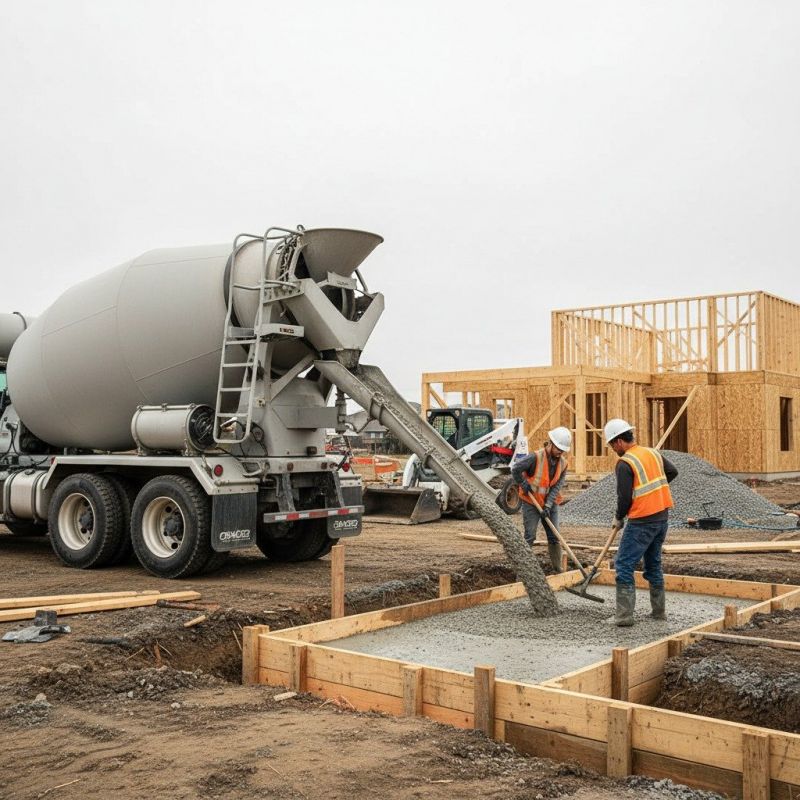
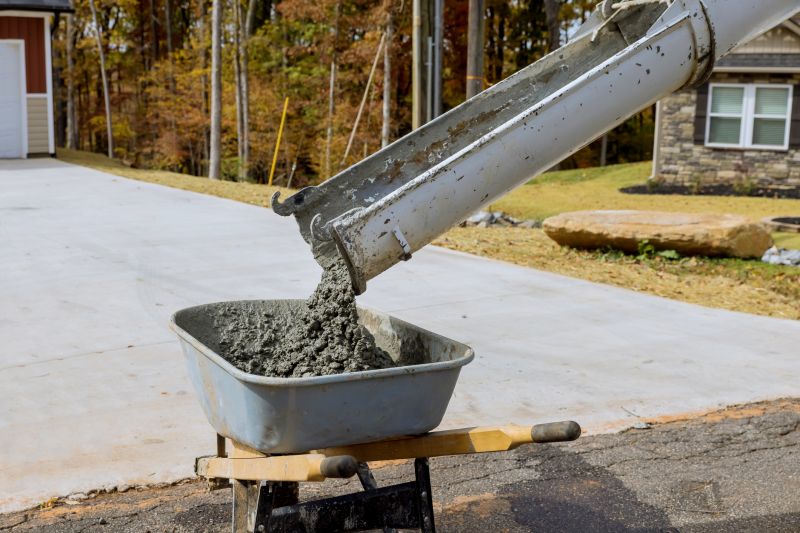
When people search for how weather conditions affect concrete delivery and placement, they often want to understand how different elements like temperature, humidity, rain, or wind can impact their construction or renovation projects. Homeowners planning to pour concrete for driveways, patios, or foundations may worry about delays, quality issues, or the need for special precautions. This topic is especially relevant for those who want to ensure their project proceeds smoothly without unexpected setbacks caused by weather. Understanding these factors helps homeowners better coordinate with local contractors who can adjust their methods or timing to accommodate changing weather patterns.
Problems related to weather conditions and concrete work often involve concerns about the material setting properly, maintaining strength, and avoiding surface defects. For example, high temperatures can cause concrete to set too quickly, leading to cracking or reduced durability, while cold weather might prevent it from curing correctly, risking weak spots. Rain or excessive moisture can wash away the surface or cause uneven setting, complicating finishing work. Planning for weather-related challenges is crucial for projects that require precise timing and quality control, making it important to work with local service providers who are experienced in adjusting their approach based on current conditions.
Certain properties of weather conditions frequently come up when discussing their impact on concrete delivery and placement. Temperature extremes-hot or cold-are major factors, as they directly influence the curing process. Humidity levels also matter, affecting the rate of moisture loss or absorption, which can alter the strength and appearance of the finished surface. Wind can accelerate evaporation, leading to surface cracks or uneven curing, while rain or snow can cause delays or surface contamination. These properties highlight the importance of timing and preparation, as local contractors can implement measures such as using additives, covers, or heated enclosures to mitigate weather-related effects and ensure the concrete performs as expected.
For homeowners planning concrete projects, understanding how weather conditions affect delivery and placement underscores the importance of working with experienced local service providers. These professionals can assess current weather patterns and advise on optimal timing or necessary precautions. They may adjust pouring techniques, use weather-resistant materials, or implement protective measures to prevent weather-related issues. By collaborating with local pros who know how to handle different weather scenarios, homeowners can help ensure that their concrete work maintains quality, durability, and appearance, regardless of the weather challenges that may arise during the project.
Foundation Repair Projects - proper concrete delivery and placement are essential for stable foundations, especially when weather conditions impact curing times and material handling.
Bridge Construction - weather-sensitive concrete work requires precise planning, making local contractors skilled in adjusting delivery methods based on climate factors.
Commercial Building Developments - large-scale projects depend on reliable concrete placement, with weather considerations influencing scheduling and logistics managed by local service providers.
Sidewalk and Pavement Installation - weather conditions can delay or compromise concrete setting, so experienced local pros are vital for timing and quality control.
Precast Concrete Fabrication - weather impacts curing and handling processes, requiring specialists who can adapt delivery and placement techniques accordingly.
Industrial Facility Construction - precise concrete placement under varying weather conditions demands expertise from local contractors familiar with climate-related challenges.
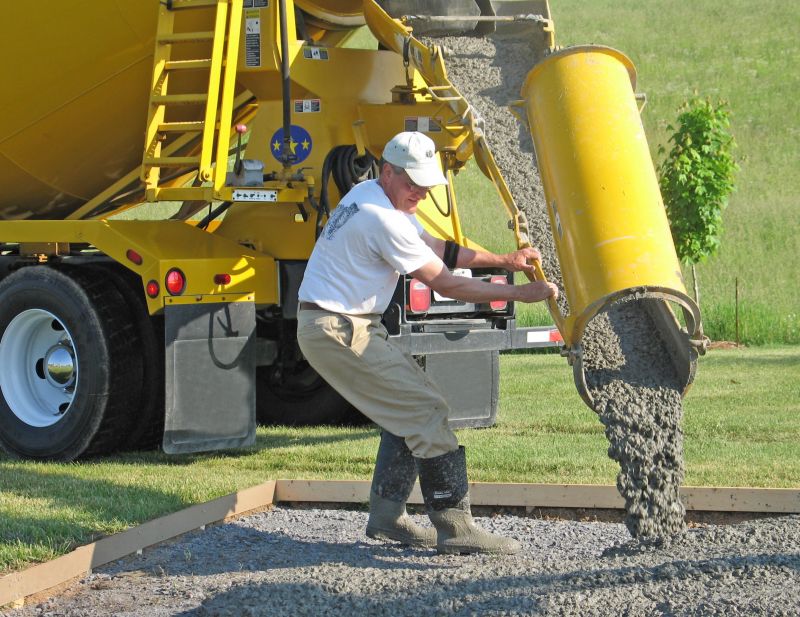
When evaluating concrete delivery services, it is important to consider the experience local contractors have with projects similar to your own. Concrete placement can be significantly impacted by weather conditions, so choosing service providers who understand how these factors influence delivery times, mix consistency, and setting processes can help ensure a smoother project. Asking about previous work involving weather-sensitive concrete projects provides insight into their familiarity with managing challenges posed by temperature fluctuations, rain, or humidity, which can all affect the quality and timing of the work.
Clear written expectations are essential when comparing local pros for concrete delivery and placement, especially in relation to weather considerations. Service providers should be able to outline how they plan to adapt their delivery schedules or methods based on current and forecasted weather conditions. This transparency helps ensure that both parties are aligned on procedures for handling adverse weather, such as delays or adjustments needed to maintain concrete integrity. A detailed scope of work that addresses weather-related contingencies can prevent misunderstandings and set realistic expectations for project outcomes.
Reputable references and effective communication are key factors when selecting local contractors for concrete work impacted by weather conditions. Reliable service providers can provide references that demonstrate their ability to navigate weather-related challenges successfully. Good communication ensures that homeowners stay informed about potential weather-related delays or adjustments, allowing for better planning. Choosing local pros known for their responsiveness and clear dialogue can help mitigate the risks associated with weather conditions affecting concrete delivery and placement, ultimately contributing to a more predictable and satisfactory project experience.
Property owners often search for how weather conditions affect concrete delivery and placement when they are planning practical projects around their homes and businesses. Local pros provide Concrete Delivery services for everyday jobs and straightforward project options.
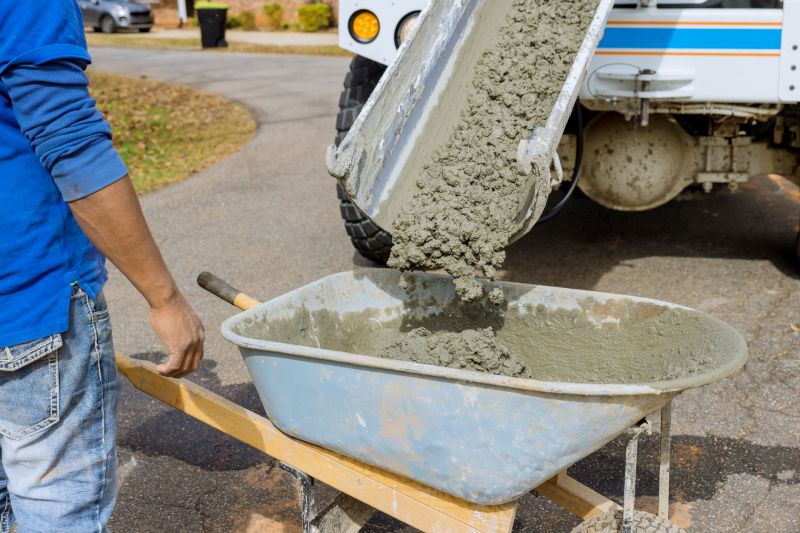

Weather conditions play a significant role in concrete delivery and placement for many everyday project situations. For property owners planning to pour a driveway, sidewalk, or foundation, understanding how factors like rain, extreme heat, or cold can impact the process is essential. Inclement weather can cause delays, affect the concrete's curing process, or even compromise the final quality if not properly managed. Local contractors experienced in concrete work are familiar with these weather-related challenges and can adjust their delivery and placement techniques accordingly to ensure the project proceeds smoothly and the results meet expectations.
Many property owners look into weather conditions when scheduling concrete delivery to avoid issues such as premature setting or surface cracking. For instance, high temperatures can cause rapid drying, while rain can wash away the surface or dilute the mixture. Cold weather might slow down curing, leading to weaker concrete if not handled properly. Service providers in the area have the knowledge and equipment to adapt to these conditions, offering solutions like heated mixes or protective coverings. Contacting local pros can help ensure that weather-related obstacles are managed effectively, resulting in a durable and properly finished concrete surface.
How do temperature fluctuations impact concrete delivery and placement? Extreme temperatures can cause concrete to set too quickly or too slowly, affecting workability and strength. Local contractors often adjust mix designs or timing to accommodate temperature changes and ensure proper curing.
What effect does rain have on concrete delivery and placement? Rain can delay pouring and compromise the quality of concrete by introducing excess water. Experienced service providers may postpone work or take protective measures to prevent water-related issues during delivery and placement.
How does wind influence concrete placement? Strong winds can cause rapid evaporation of moisture from the concrete surface, leading to cracking or surface imperfections. Local pros may use curing blankets or windbreaks to mitigate these effects during placement.
Can humidity levels affect concrete work? High humidity can slow down the curing process, while low humidity may cause rapid drying and cracking. Local contractors often monitor humidity and adjust curing methods accordingly for optimal results.
Why is weather monitoring important for concrete delivery services? Monitoring weather conditions helps local service providers plan and adapt their delivery and placement strategies, minimizing potential issues caused by adverse weather and ensuring a quality finish.
Monitoring weather forecasts helps property owners plan concrete delivery and placement during optimal conditions, reducing delays caused by rain or extreme temperatures.
Scheduling work during mild weather ensures concrete can be poured and set properly, minimizing the risk of cracking or improper curing.
Choosing experienced local contractors can provide guidance on weather-related challenges and adjust delivery methods accordingly for better results.
Using weather-resistant materials can help protect freshly poured concrete from unexpected weather changes, ensuring a durable finish.
If you are thinking about how weather conditions affect concrete delivery and placement for a property, this guide is meant to help you understand this topic, the typical project types, and how different options might fit your plans.
When you are ready, you can use the quote form on this page to share a few details about your project. From there, local pros can review the basics and follow up with options that match what you have in mind.