Get Concrete Ramp Installation
Concrete ramp installation services help property owners create safe, accessible ramps for wheelchair access, loading docks, or outdoor pathways by connecting with experienced local contractors.
Concrete ramp installation is a practical solution for property owners seeking safer and more accessible entryways. Whether upgrading an existing entrance or preparing for new construction, installing a durable concrete ramp can improve mobility, enhance safety, and add convenience to a property. Local contractors experienced in ramp installation understand the specific needs of the community and can provide tailored solutions that meet practical requirements and building standards.
For property owners exploring options for concrete ramp projects, it’s helpful to compare local service providers who specialize in this work. Evaluating different contractors allows for informed planning and ensures the selection of skilled professionals capable of delivering reliable results. Keep reading to discover how local experts can assist in planning and executing a concrete ramp installation that aligns with your property's needs.
- Residential Driveways - homeowners may need concrete ramps when installing or upgrading driveways to ensure smooth access.
- Commercial Entrances - businesses requiring accessible entryways often need concrete ramps for compliance and convenience.
- Loading Docks - warehouses and retail stores may need durable ramps to facilitate the movement of goods.
- Public Parks and Recreation Areas - accessible pathways and entry points often require concrete ramps for inclusive access.
- Garage Entrances - homeowners or property managers might need ramps to improve vehicle or pedestrian access to garages.
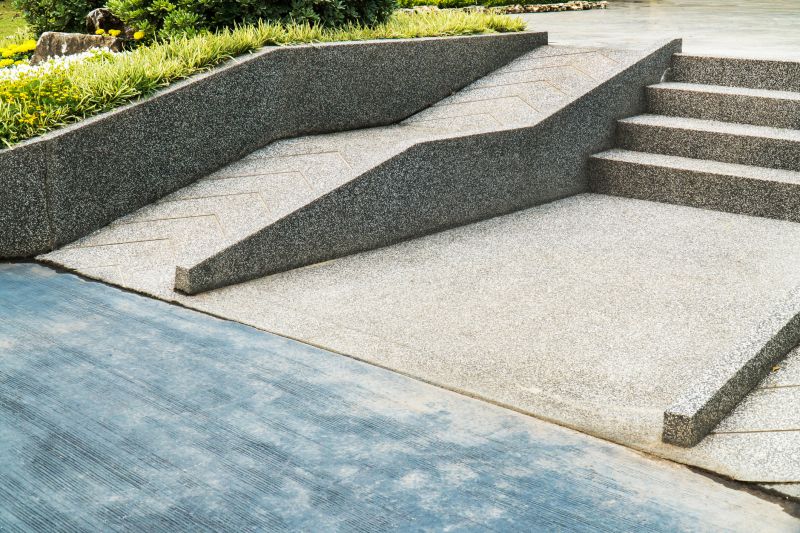
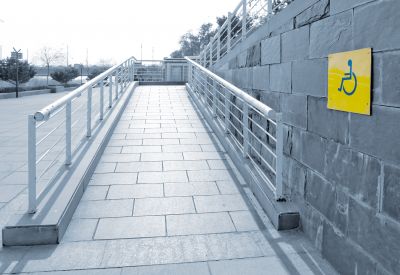
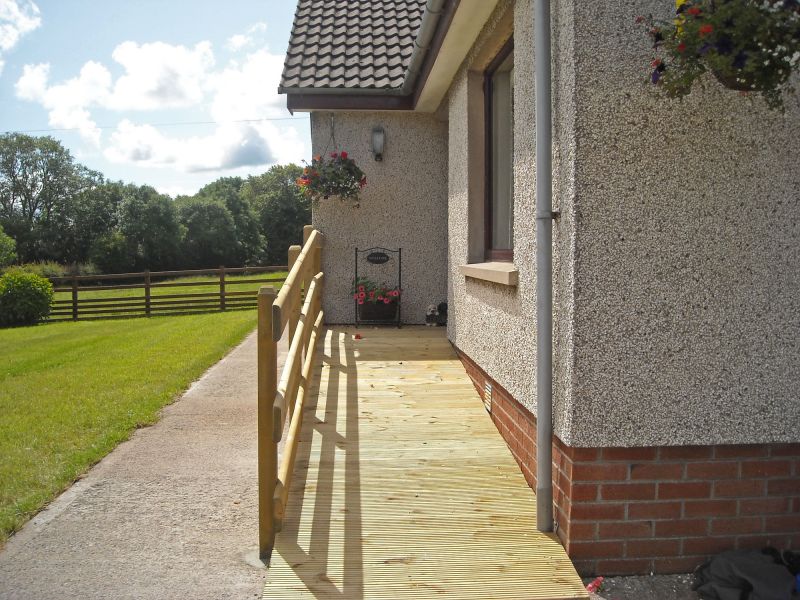
Concrete ramp installation services involve constructing durable, level slopes made from concrete to improve accessibility and safety around a property. These ramps are carefully designed to provide a smooth transition between different elevations, making it easier to navigate wheelchairs, strollers, or other mobility devices. Skilled contractors prepare the site by assessing the terrain, excavating as needed, and pouring concrete to create a sturdy, long-lasting surface. The finished ramps are often finished with a textured surface to prevent slipping and ensure safety in various weather conditions.
This service helps address common accessibility challenges faced by homeowners and property managers. For example, concrete ramps can eliminate steps or uneven surfaces that make entry difficult for those with mobility issues. They also help prevent accidents caused by tripping hazards or slippery surfaces. Additionally, ramps can facilitate easier loading and unloading of heavy or bulky items, making daily tasks more manageable. Whether upgrading an existing entrance or adding a new access point, professional installation ensures the ramp is built to meet safety standards and withstand regular use.
Concrete ramps are frequently used on residential properties, especially for homes with elevated porches, garages, or uneven terrain that complicates entry. They are also common on commercial properties, such as storefronts, office buildings, or community centers, where accessibility is a priority. In some cases, property owners may need ramps to comply with accessibility regulations or to accommodate specific mobility needs. Regardless of the property type, local contractors can customize concrete ramps to fit the unique layout and requirements of each site, ensuring a safe and functional solution.
Homeowners who notice difficulty entering their property or experience mobility challenges often consider concrete ramp installation as a practical solution. Ramps can also be beneficial after injury or surgery, providing temporary or permanent access improvements. Additionally, properties with uneven ground, steep driveways, or steps that are difficult to navigate may benefit from a professionally installed concrete ramp. Contacting experienced service providers ensures that the project is handled efficiently, with a focus on durability and safety, helping make everyday access easier and more secure.
The overview below groups typical Concrete Ramp Installation projects into broad ranges so you can see how smaller, mid-sized, and larger jobs often compare in your area.
In many markets, a large share of routine jobs stays in the lower and middle ranges, while only a smaller percentage of projects moves into the highest bands when the work is more complex or site conditions are harder than average.
Smaller Repairs - typical costs for minor concrete ramp repairs generally range from $250-$600, covering patching, surface smoothing, or small modifications. Many routine projects fall within this middle range, with fewer jobs reaching the higher end.
Standard Ramp Installations - installing a new concrete ramp for a standard residential or commercial property usually costs between $1,000 and $3,000. Most local contractors handle projects in this range, though larger or more complex jobs can go higher.
Full Ramp Replacement - replacing an existing concrete ramp or installing a larger, more durable structure can range from $3,500 to $7,000 or more. Larger or custom designs tend to push costs into this higher tier, but many projects stay within the middle of this range.
Complex or Custom Projects - highly detailed, custom, or large-scale concrete ramp installations can exceed $7,000, with some complex projects reaching $10,000 or beyond. These are less common and typically involve specialized design or extensive site preparation.
Actual totals will depend on details like access to the work area, the scope of the project, and the materials selected, so use these as general starting points rather than exact figures.
Sidewalk and Pathway Construction - local contractors skilled in concrete work can create durable sidewalks and pathways that require precise planning and installation techniques similar to ramp projects.
Garage Floor Slab Installation - professionals experienced in concrete slab pouring and finishing can handle garage floors, sharing tools and planning methods used in ramp construction.
Loading Dock Leveler Installation - local service providers can install concrete levelers that demand similar skills in concrete placement and structural planning as ramp projects.
Driveway Paving and Resurfacing - concrete driveway work involves planning and execution skills comparable to those used in ramp installation, ensuring proper surface durability.
Wheelchair Lift Platform Construction - building accessible lift platforms involves concrete work and structural planning akin to installing ramps for mobility access.
Foundation and Footing Pouring - foundational concrete work requires precise planning and skill in pouring and finishing, similar to the processes used in ramp installation projects.
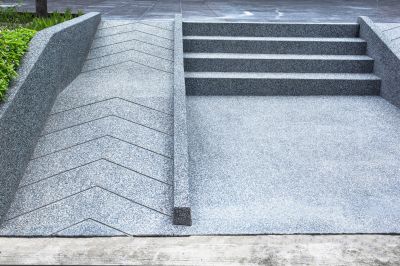
When comparing service providers for concrete ramp installation, it’s important to consider their experience with similar projects. Homeowners should look for local contractors who have a proven track record of successfully completing ramp installations comparable to their needs. Asking about past work can help gauge whether a contractor has the necessary expertise and familiarity with the specific requirements of ramp construction, ensuring that the project meets safety and accessibility standards.
Clear, written expectations are essential when evaluating potential service providers. Homeowners should seek detailed proposals or estimates that outline the scope of work, materials to be used, and the projected process. Having this information in writing helps prevent misunderstandings and provides a basis for comparing different contractors’ approaches and professionalism. Good communication from the outset signals that a contractor values transparency and is committed to keeping clients informed throughout the project.
Reputable references and strong communication skills are key indicators of a reliable contractor. Homeowners are encouraged to ask for references from previous clients who had similar work done and to inquire about their satisfaction with the results and the contractor’s responsiveness. Effective communication ensures that questions are answered promptly and that project details are clearly understood, contributing to a smoother experience. It’s important to remember that this site connects homeowners with local service providers but does not perform the work itself. Carefully evaluating these aspects can help find a contractor capable of delivering quality results on a concrete ramp installation.
Property owners use Concrete Ramp Installation services for practical projects around their homes and businesses. This guide focuses on everyday jobs and straightforward project options.
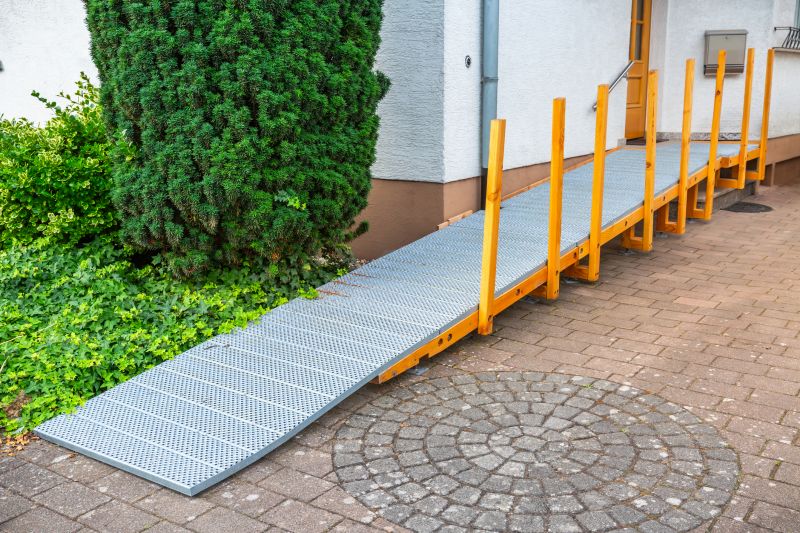
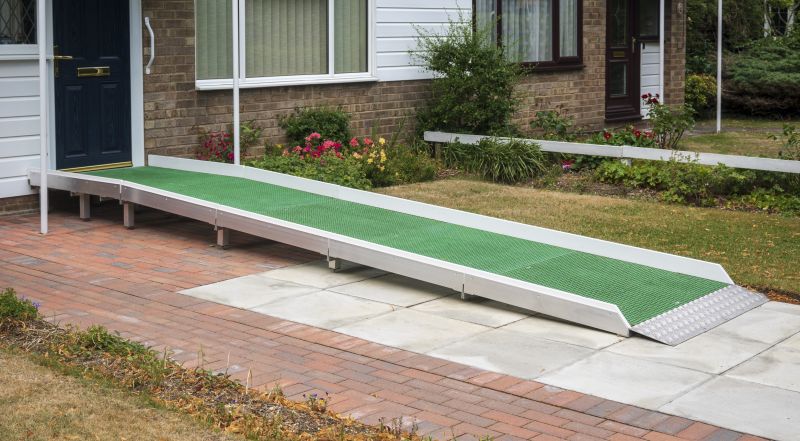
Concrete ramp installation is a common project for property owners who need to improve accessibility around their homes or businesses. Whether installing a new ramp for easier entry for individuals with mobility challenges or replacing an existing one that has become worn or uneven, local contractors can handle these straightforward upgrades. These projects often arise from everyday situations, such as making entrances wheelchair-friendly, providing smoother transitions over stairs or uneven surfaces, or accommodating equipment like wheelbarrows and carts.
Many property owners seek concrete ramp services to enhance safety and convenience in their outdoor spaces. Simple driveway or porch ramps can prevent accidents and make daily activities more manageable. Local service providers are available to assess the area, recommend appropriate solutions, and handle the installation efficiently, helping property owners create safer, more accessible environments with minimal disruption.
What types of concrete ramps do local contractors install? Local contractors typically install various types of concrete ramps, including accessible curb ramps, driveway entrances, and custom slope solutions tailored to specific needs.
Are there different design options for concrete ramp installations? Yes, service providers often offer a range of design options, including different finishes, textures, and slope configurations to suit functional and aesthetic preferences.
What factors should be considered before installing a concrete ramp? Factors such as the location, load requirements, slope specifications, and surrounding landscape are important considerations that local contractors evaluate during planning.
Do local contractors handle permits or site evaluations for concrete ramp projects? Many local service providers can assist with site assessments and may guide clients through permit requirements, depending on local regulations.
What maintenance is needed for a concrete ramp after installation? Maintenance typically involves regular cleaning and addressing any cracks or damage promptly to ensure the ramp remains functional and safe over time.
Wheelchair Ramp Installation - Property owners can improve accessibility by installing concrete ramps for easier entry and exit in homes or businesses.
Garage Entrance Ramps - Local contractors can help create smooth, durable ramps to facilitate vehicle access over uneven or high thresholds.
Loading Dock Ramps - Businesses might use concrete ramps to enhance loading and unloading areas for forklifts and delivery trucks.
Garden or Patio Access Ramps - Homeowners can add ramps to improve outdoor space accessibility, making it easier to move furniture or equipment.
If you are thinking about Concrete Ramp Installation for a property, this guide is meant to help you understand the work, the typical project types, and how different options might fit your plans.
When you are ready, you can use the quote form on this page to share a few details about your project. From there, local pros can review the basics and respond with options that match what you have in mind.